


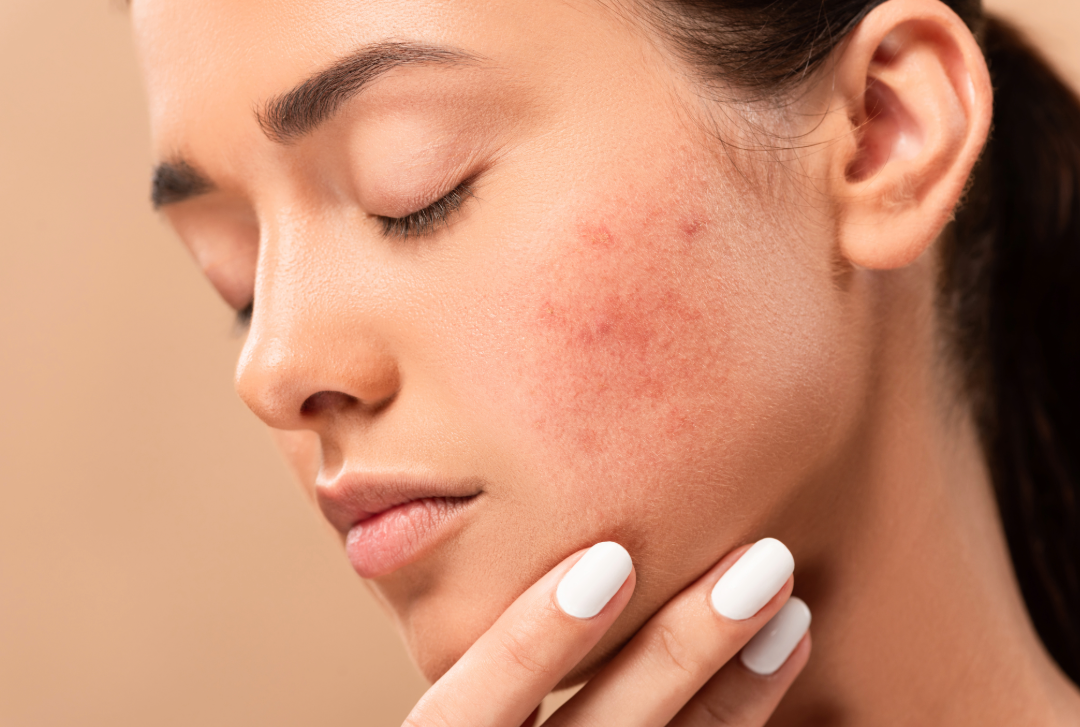
Why Inflammation Shows Up on Your Skin, and How to Keep It in Check
Inflammation is one of the body’s most important defense mechanisms. It’s how we respond to injury, stress, or infection. But while short bursts of inflammation are protective, chronic low-grade inflammation can quietly take a toll on nearly every system in the body—including your skin.
This fall, as stress levels rise and weather shifts, many people notice flare-ups: increased sensitivity, dullness, breakouts, or redness that won’t quite go away. The science shows us that these visible changes aren’t random—they’re signals of inflammation showing up on the skin.
The Science of Inflammation and Skin
Not all inflammation is bad. Acute inflammation, like the redness you see after a cut, helps the body heal. But chronic inflammation is different. It lingers, often below the surface, driven by lifestyle stressors that keep the immune system “switched on.”
In skin, chronic inflammation can:
- Weaken the barrier that protects against environmental irritants.
- Increase sensitivity, redness, and reactivity.
- Accelerate aging by breaking down collagen and elastin. Research shows that chronic inflammation can accelerate visible skin aging by more than 50%.
- Disrupt hydration, leading to dryness and uneven texture.
Think of inflammation as the silent stressor your skin can’t hide. Even if you don’t “feel” inflamed, your skin often tells the story first.
Everyday Triggers That Drive Skin Inflammation
Science points to everyday factors that can keep inflammation levels high:
-
Stress and Cortisol
When you’re under pressure, your body releases cortisol. Chronic elevation of cortisol increases oil production, disrupts the skin barrier, and makes the skin more prone to breakouts and sensitivity. -
Lack of Rest
Poor sleep doesn’t just make you tired—it also raises systemic inflammation. Even partial sleep deprivation increases inflammatory markers that impair skin recovery and repair. -
Movement (or Lack of It)
A sedentary lifestyle is linked to higher inflammatory proteins in the body. Regular, moderate activity helps lower these markers, improving circulation and overall skin health. -
Nutrition
Ultra-processed, high-sugar foods promote systemic inflammation. In contrast, nutrient-dense foods rich in omega-3 fatty acids, antioxidants, and phytonutrients support healthier, calmer skin. -
Mindset and Gratitude
It may seem abstract, but research shows gratitude practices lower cortisol and reduce inflammatory responses. Lower stress internally = fewer visible signs of stress on the skin.
How to Reduce Inflammation for Healthier Skin
The encouraging news? Inflammation is highly modifiable. Small, consistent changes can visibly improve skin health:
- Prioritize Movement: Even 20–30 minutes of walking, yoga, or resistance training helps regulate inflammatory markers.
- Protect Your Rest: Aim for 7–9 hours of restorative sleep. Skin repair processes peak overnight.
- Manage Stress Proactively: Journaling, meditation, breathwork, or pausing for mindful breaks can lower cortisol.
- Choose Anti-Inflammatory Nutrition: Favor whole foods—lean proteins, colorful fruits and vegetables, nuts, seeds, and omega-rich sources like salmon or chia seeds.
- Practice Gratitude: Daily reflection has been shown to reduce stress hormones and support overall wellbeing.
Reducing inflammation isn’t only about feeling better inside. It directly translates into calmer, stronger, and more resilient skin.
Barrier Support Matters
Even with healthy habits, skin still faces daily stressors—pollution, UV light, fluctuating temperatures, and unavoidable internal triggers. That’s why the barrier—the lipid layer and microbiome balance—needs support.
At Plantkos, we believe barrier support should be both science-led and clinically validated. Our clinical testing shows that Plantkos products do not increase the release of IL-1α — a key cytokine involved in inflammation.
For visible results, explore the Plantkos Duo — our two-step system designed to hydrate, strengthen, and calm the skin barrier.
Shop the Duo ADD LINK https://plantkos.co/products/hydrate-calm-duo-1
The Bottom Line
Inflammation is the common thread between stress, lifestyle, and visible skin concerns. By moving more, resting better, eating nutrient-dense foods, managing stress, and practicing gratitude, you can lower inflammatory stressors from the inside out. Pair that with barrier-supportive skincare, and you create the conditions for stronger, calmer, and healthier skin.
Every formula we create is guided by our skin longevity pillars: Hydrate. Protect. Calm.
Join our community for exclusive insights and early access to clinical updates and product innovations.
[Join the Plantkos community] Link to enews subscribe
Share:
Protect What You’ve Built: Preparing Your Skin for Seasonal Change
The Science of Seasonal Skin Health: What Changes from Summer to Fall